What Is a Dual Stack Network?
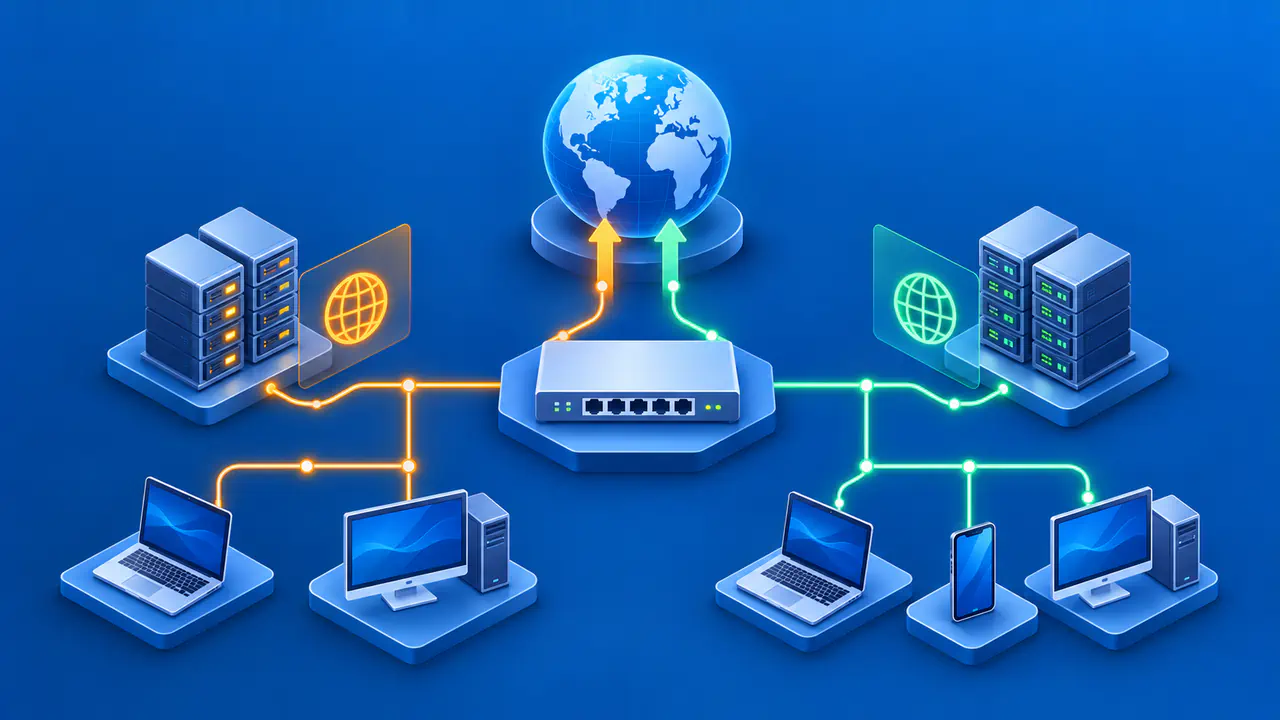
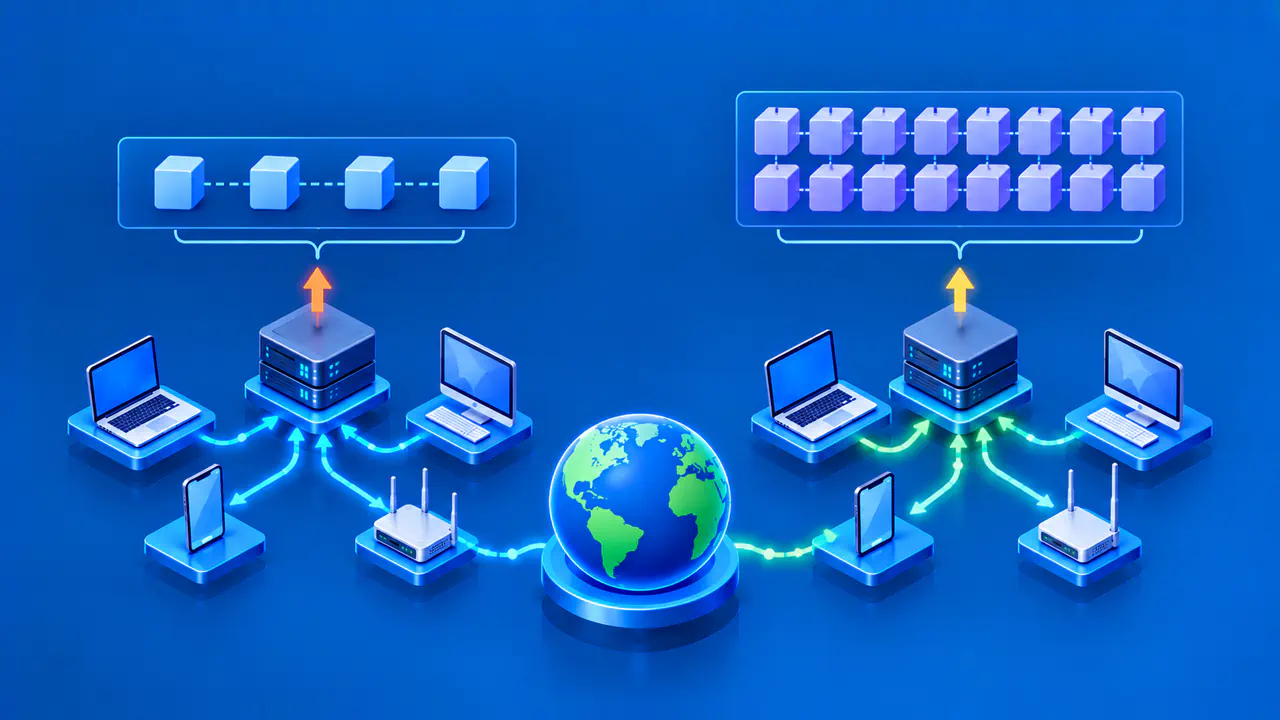
A dual stack network supports IPv4 and IPv6 at the same time. Devices and routers can send and receive either kind of IP packet, giving applications access to destinations that use IPv4, IPv6, or both. Each version has its own addresses and routing information.
The two stacks provide parallel ways to communicate. They do not turn every connection into a mixture of IPv4 and IPv6 packets. A particular application still needs to select and use a reachable destination through a protocol it supports.
Two Protocols on the Same Network
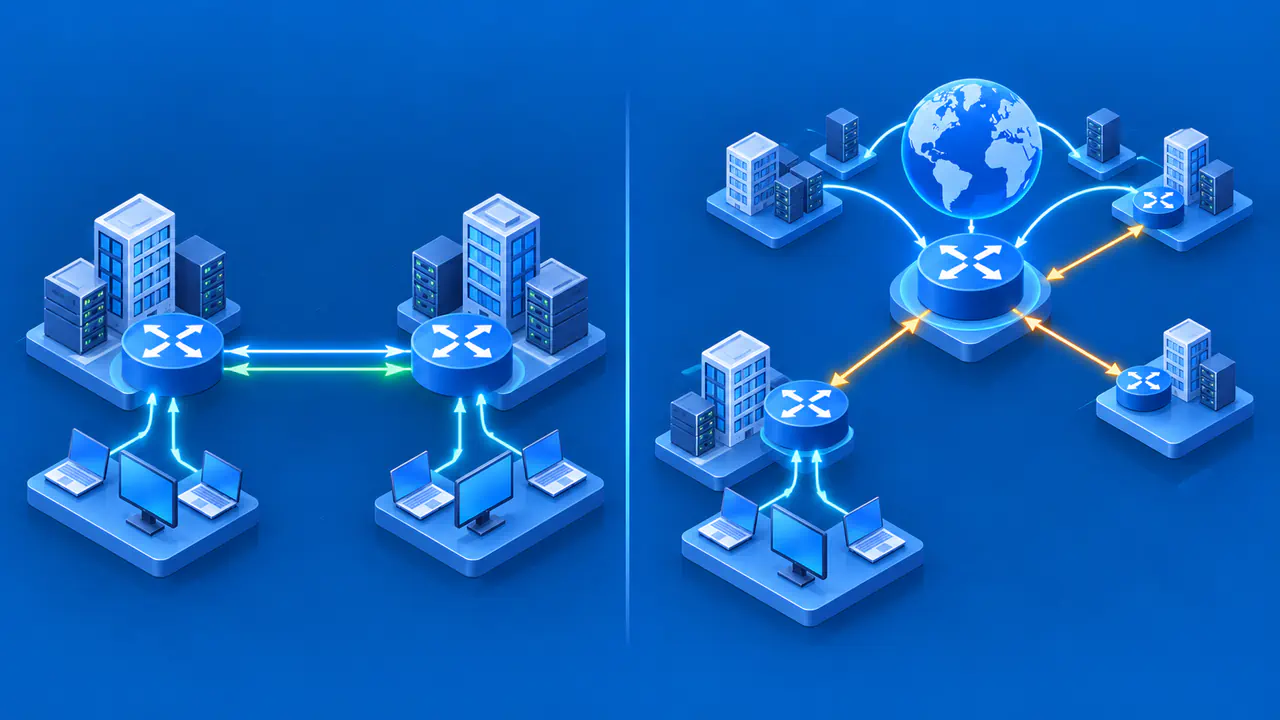
IPv4 and IPv6 can operate on the same physical interface and share the same Ethernet or Wi-Fi network. Dual stack therefore does not require a second network adapter or a separate cable for IPv6. A router can forward traffic for both families through an interface configured to support them.
Support must extend beyond a checkbox on the client. Internet connectivity through each family depends on usable addresses, forwarding through the local router, an upstream path, and a destination accepting that traffic. A device can support IPv6 locally while its internet access still works only through IPv4.
Applications can also differ on the same host. An older program using only IPv4 can coexist with another program using IPv6. The host’s two protocol stacks make both possibilities available, but they do not automatically upgrade the older program’s networking behavior.
Addresses and Routes Are Configured Independently
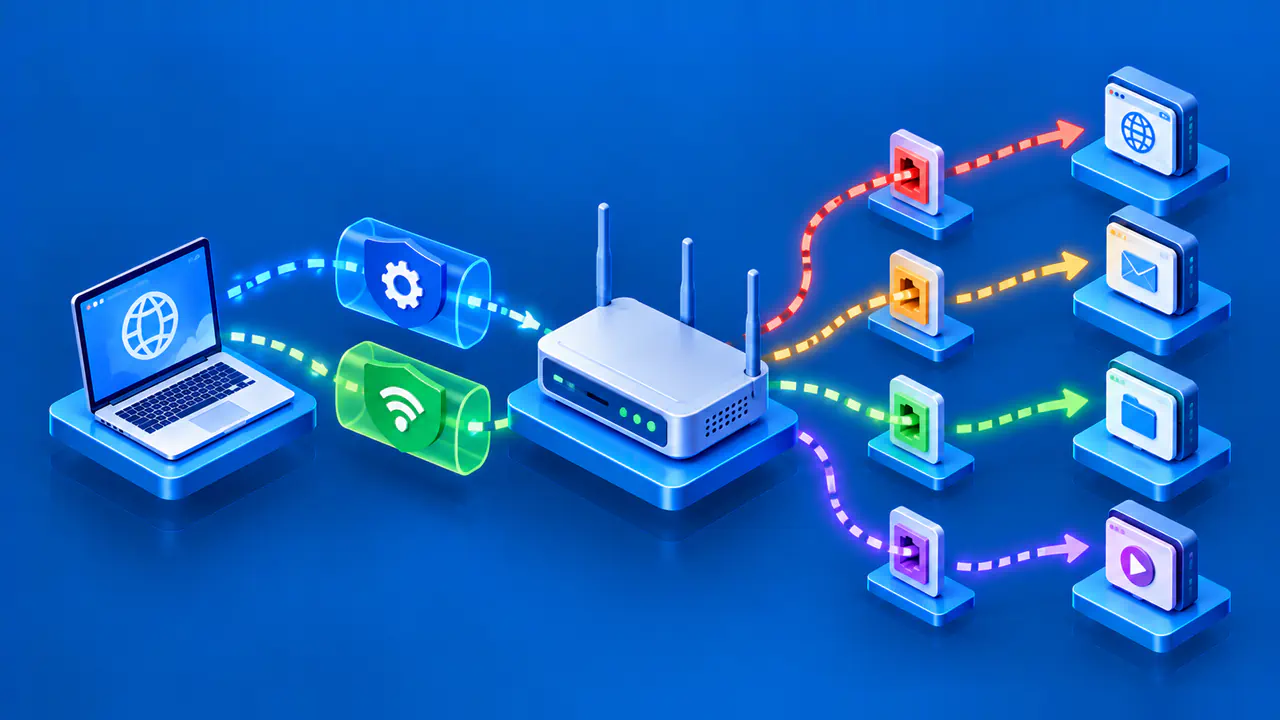
An IPv4 address is not converted into an IPv6 address merely because dual stack is enabled. Each family needs its own configuration. A device might obtain its IPv4 address through DHCPv4, the IPv4 form of the Dynamic Host Configuration Protocol. For IPv6, the device can generate addresses through Stateless Address Autoconfiguration (SLAAC), obtain them through DHCPv6, or use addresses configured manually, depending on the network and device.
The IPv6 default-router information also has its own source. For example, Router Advertisements can identify a default router and advertise information about on-link prefixes. An IPv4 gateway setting does not supply that IPv6 router information.
IPv6 link-local addresses support communication on the local link. Seeing a link-local address such as fe80::318 on an adapter does not establish that the device has an IPv6 route to an internet service. The destination’s scope and the available route matter as well as the presence of an address.
A network can use the same router hardware for both families while keeping distinct reachability information for IPv4 and IPv6. Routing protocols and advertisements for one family do not automatically provide the other family’s routes. Their paths may also differ beyond the local network.
How an Application Chooses an Address Family
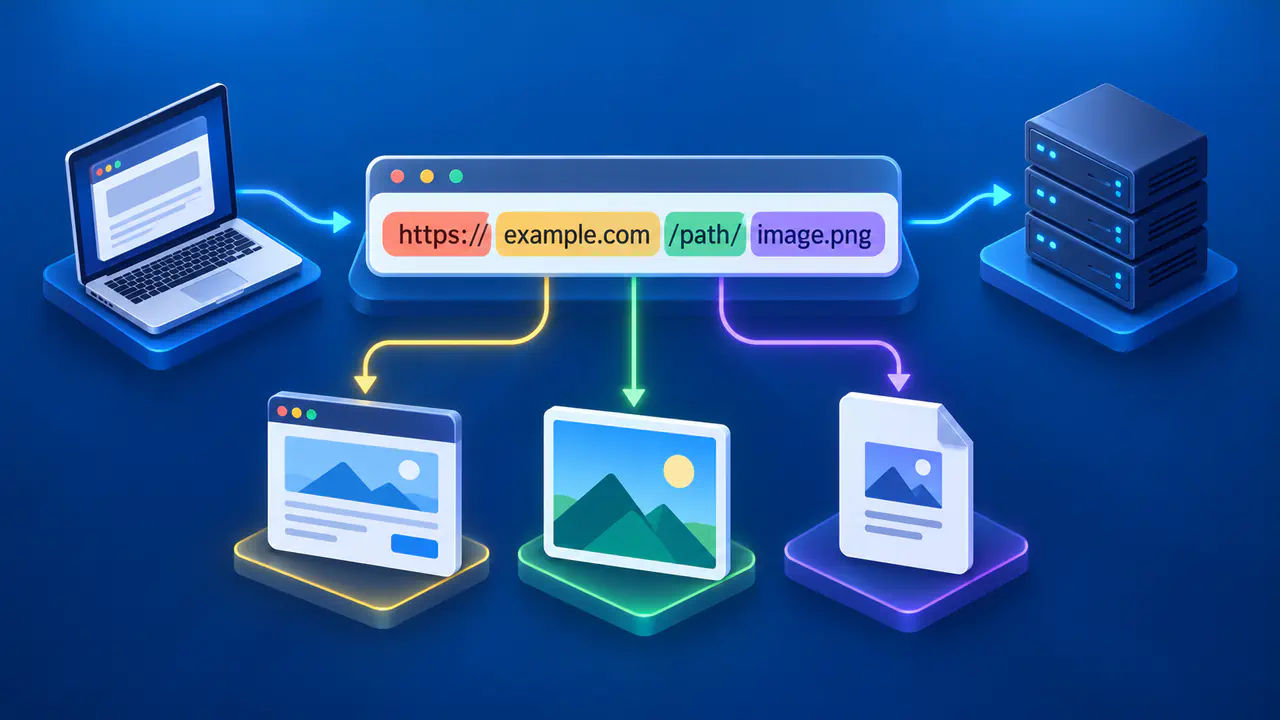
When an application connects by hostname, it can obtain IPv4 addresses from Domain Name System (DNS) A records and IPv6 addresses from AAAA records. A hostname may have several addresses of either type. The records provide candidate destinations; they do not guarantee that every candidate is reachable from the client.
Address-selection policy can order IPv4 and IPv6 candidates using the available source addresses and other suitability criteria. IPv6 can be preferred when both choices are suitable, but the application and system policy can influence selection. Dual stack does not mean that IPv6 must win every connection attempt.
An application may try another candidate if one fails. Applications using Happy Eyeballs can start alternative connection attempts to reduce the delay caused by a broken or slow path. The application controls when to try another address; supporting both IP versions does not determine that timing.
A literal IP address supplies a destination in the family expressed by that address. It does not give the application the same set of alternatives as a hostname with both A and AAAA records. Successful access to a literal IPv4 address consequently says little about that application’s IPv6 reachability.
A Client Using IPv4 and IPv6 Concurrently
Consider a hypothetical laptop with IPv4 address 203.0.113.18/24 and IPv6 address 2001:db8:77:10::318/64. Assume its router and upstream network provide working paths for both families. These addresses are reserved documentation examples, not details of an actual connected device.
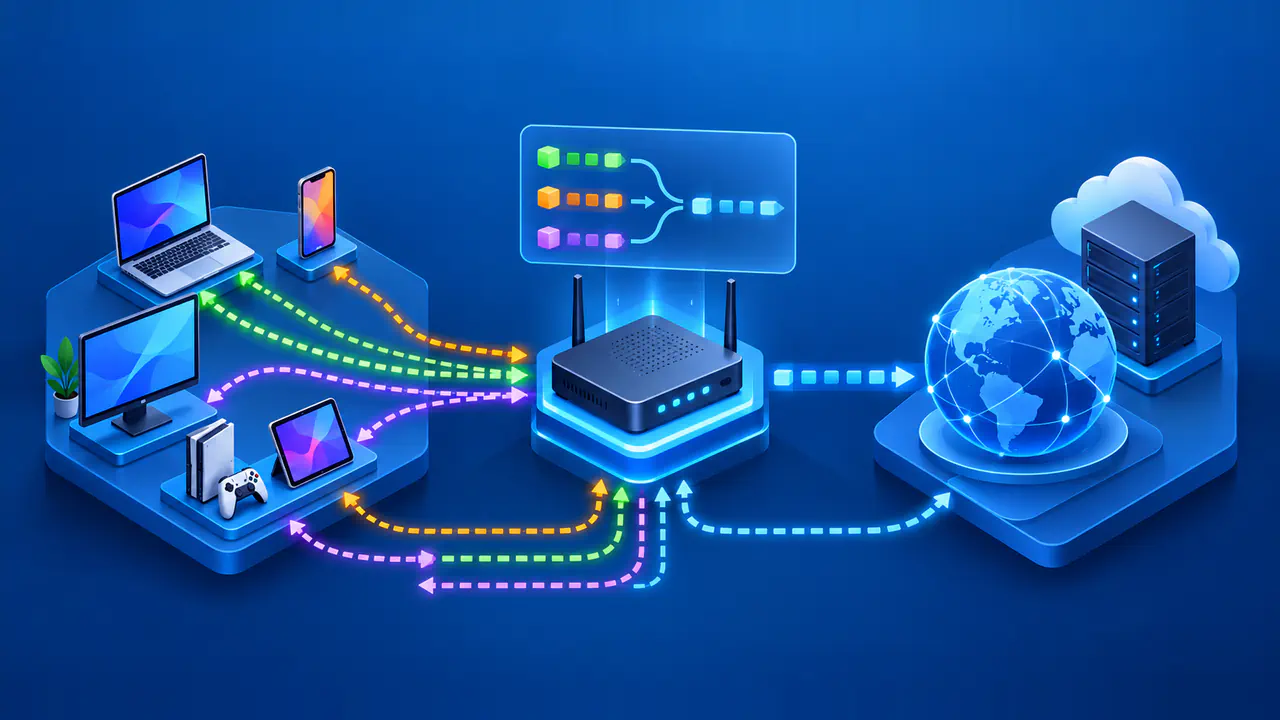
Suppose a web service has IPv4 address 198.51.100.64 and IPv6 address 2001:db8:90::64. A browser choosing the IPv6 destination uses the laptop’s suitable IPv6 source address and IPv6 routing information. At the same time, a separate IPv4-only application can contact an IPv4 destination using the laptop’s IPv4 source and IPv4 route.
Both applications can operate concurrently over the same adapter. There is no requirement to finish the IPv6 exchange before transmitting the IPv4 traffic. Their packets belong to separate connections and are forwarded according to their respective destinations.
For an ordinary Transmission Control Protocol (TCP) connection, the endpoint addresses and ports identify that connection. A TCP connection established to the IPv6 web address does not alternate ordinary segments between that address and the server’s IPv4 address simply because both exist. Using a different destination for a new connection is a separate choice.
The example’s IPv4 /24 network is 203.0.113.0/24, while the IPv6 /64 network is 2001:db8:77:10::/64. These are independent network assignments. The laptop’s IPv6 suffix was chosen for the example and was not calculated from 203.0.113.18.
Dual Stack, Tunneling, and Translation
These mechanisms can coexist, but they perform different jobs. The distinction concerns how packets travel and whether their IP version changes, rather than simply whether an adapter displays both types of address.
Native Dual Stack
With native connectivity for both families, IPv4 packets use an IPv4 path and IPv6 packets use an IPv6 path. The local network and upstream service forward the selected version directly. The endpoints do not need address-family translation simply to communicate with another endpoint supporting that same family.
IPv6 through a Tunnel
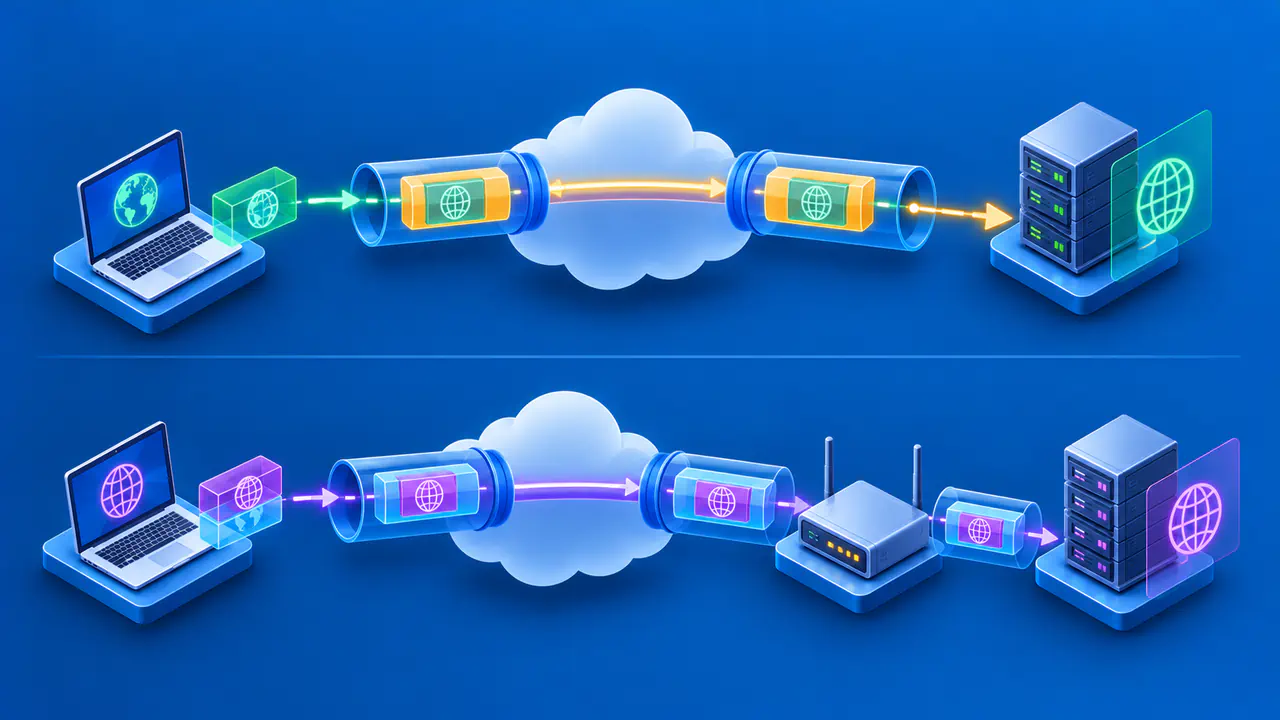
A tunnel can carry an IPv6 packet inside an outer IPv4 packet across an IPv4 infrastructure. The tunnel endpoints add and remove the outer header. The enclosed packet remains IPv6, even though part of its journey depends on IPv4 transport.
A host or site can have both IPv4 and IPv6 stacks while obtaining IPv6 through such a tunnel. Describing it as dual stack identifies the two supported families, but does not establish that both upstream paths are native. The tunnel’s availability and packet-size constraints remain relevant.
Translation between Families
Translation converts packet headers and addresses so traffic can cross between IPv4 and IPv6. It can enable communication between endpoints that do not share an IP version, subject to the translator’s supported mappings and protocols.
Dual stack avoids that mismatch for a connection when both endpoints and the path support the chosen family. It does not, by itself, let an IPv4-only host send IPv6 packets or let an IPv6-only host send IPv4 packets. Those cases need an appropriate additional arrangement.
Failure in One Family Can Be Easy to Miss
A dual stack website can load over IPv4 even when the client cannot reach it over IPv6. A successful connection establishes reachability only through the address family used for that connection.
This is why service monitoring needs separate results for IPv4 and IPv6. Useful records identify the destination address and family used, the stage that failed, and whether the application tried an alternative. A generic “site available” result can hide which path supplied the response.
Connection establishment is only one stage. A completed TCP handshake does not guarantee successful Transport Layer Security (TLS) negotiation, correct application content, or reliable transfer of larger packets. These conditions can differ between the destinations published for the same hostname.
Access Rules and Logs for Both Address Families
A service restriction needs to cover every supported path to that service. An IPv4 rule permitting a particular port does not establish the equivalent IPv6 policy, and an IPv4 denial does not prove that the IPv6 path is denied. The implementation’s treatment of both families needs to match the intended access rule.
For example, an administrator intending to limit a management service to an approved network must account for its IPv4 and IPv6 listeners and reachable addresses. Otherwise, the second family can provide an unintended access path despite a correctly configured rule for the first.
Logs should retain the actual address used by each connection and support IPv6 values without truncation. A device’s IPv4 address and IPv6 address are separate observations; associating them with the same device requires additional network or application context. Two addresses serving the same hostname can likewise represent different servers or service endpoints.