
Articles: Page 4
Read about IP addresses, DNS, IPv6, and network security, with explanations of common connection problems.

What Is Dynamic DNS and How Does It Work?
Dynamic DNS updates a hostname's address records when a public IP changes, so later lookups can return the new address without changing the name.

DNS Resolver Amplification Protection
Restricting DNS recursion to authorized clients, filtering forged source addresses, and setting traffic limits help prevent resolver amplification abuse.

How EDNS Client Subnet Affects DNS and Privacy
EDNS Client Subnet shares a client network prefix to tailor DNS answers, but can expose network details and reduce the reuse of cached responses.

What Is Anycast DNS?
Anycast DNS advertises the same service address from multiple sites, allowing network routing to send each query to one reachable node based on current paths.
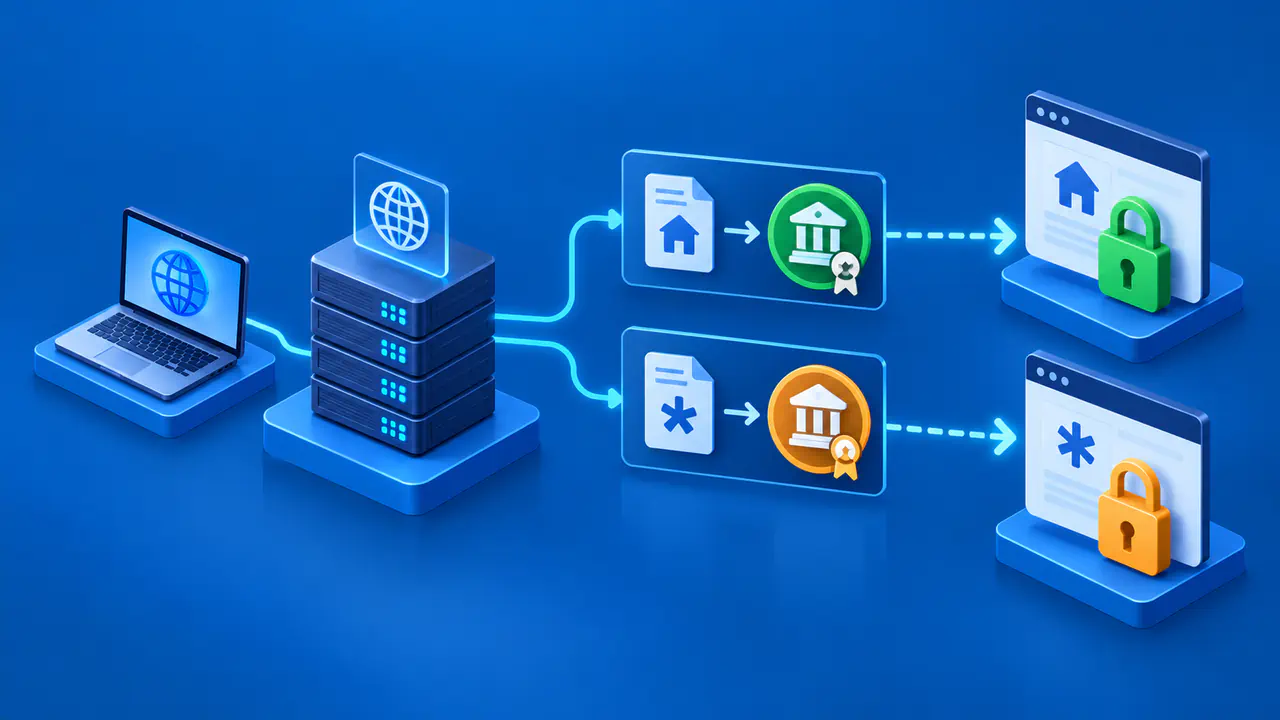
How to Configure DNS CAA Records
DNS CAA records authorize certificate authorities through the issue tag, while issuewild can set different permissions for wildcard domain names.

ARP Cache Problems and Local Connectivity
ARP cache problems can block local IPv4 traffic when the next-hop MAC address is unresolved or incorrect, including traffic through the default gateway.

How to Fix Bufferbloat
Bufferbloat can be reduced with smart queue management and upload and download limits set below the connection's measured, sustainable speeds.

How to Block an IP Address in Windows Firewall
Windows Firewall blocks a remote IP with an inbound or outbound rule whose address, protocol, ports, and profile match the connection being restricted.
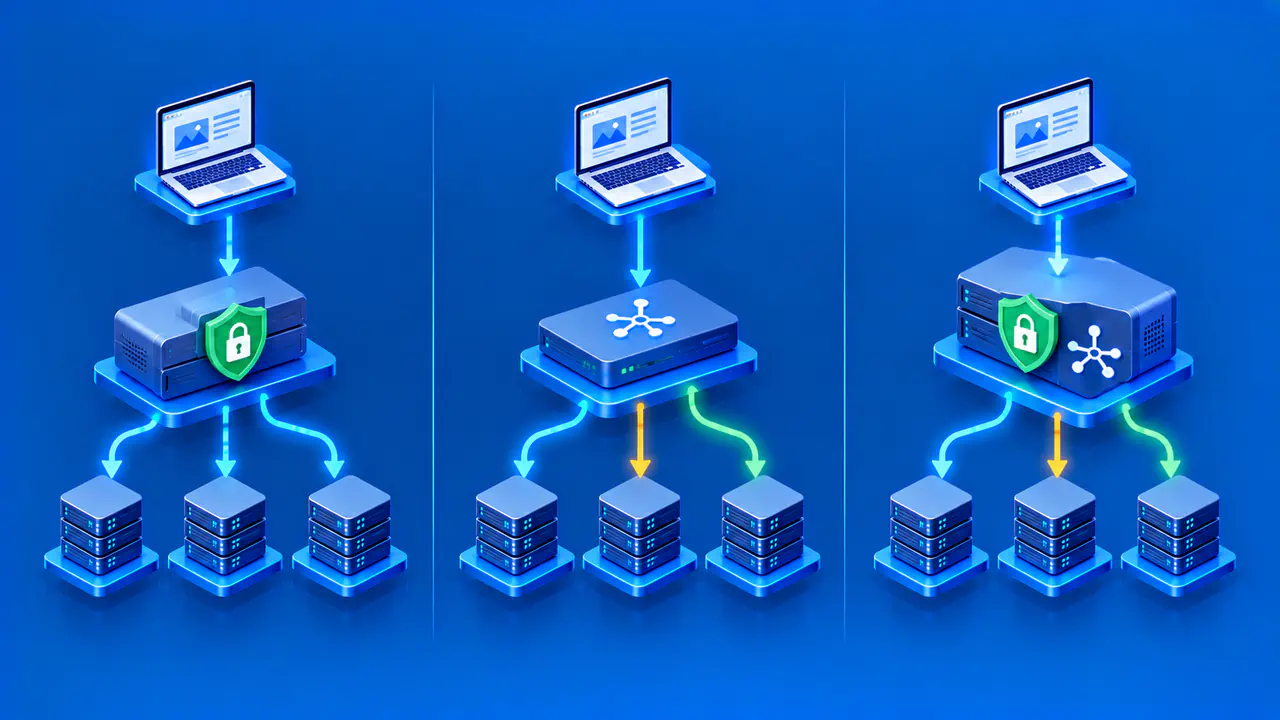
Reverse Proxy vs Load Balancer Explained
A reverse proxy forwards requests to a backend, while a load balancer distributes traffic among backends, and one component can perform both roles.

QUIC Protocol and HTTP/3 Explained
QUIC provides encrypted connections and reliable streams over UDP, while HTTP/3 uses those streams to carry HTTP requests, responses, and control messages.

What Is HSTS and How Does Preloading Work?
HSTS makes browsers remember an HTTPS-only policy after a secure visit, while preloading adds a domain to browser lists before that first visit.

IPv4 vs IPv6
IPv4 uses 32-bit addresses, while IPv6 uses 128-bit addresses, giving IPv6 far more possible addresses without guaranteeing better speed or security.

What Is an IP Address?
An IP address is a numerical label used by the Internet Protocol to identify the source or destination of packets on a network, including the internet.

How Accurate Is IP Geolocation?
IP geolocation is generally more reliable for countries than cities, with accuracy varying by network type, provider, and the detail available for each address.

What Is CGNAT and How Can You Detect It?
CGNAT lets customers share a public IPv4 address, and a router WAN address that differs from the observed public IPv4 is a clue to provider-side translation.

What Is a Port Number in Networking?
A port number works with an IP address and a transport protocol, such as TCP or UDP, to direct network traffic to the right application on a device.

How to Find Your Router's IP Address
Your router's local IP address usually appears as the default gateway in the network details of a computer or phone connected to your home network.

Removing Your IP from an Email Blocklist
Removing an IP address from an email blocklist starts with checking why it is listed and following the list operator's requirements for removal.

DNS over HTTPS vs DNS over TLS
DNS over HTTPS carries queries in HTTPS traffic usually on port 443, while DNS over TLS uses a dedicated encrypted TCP connection, normally on port 853.

What Is DNSSEC and How Does It Work?
DNSSEC uses digital signatures and a chain of trusted keys to verify where DNS data comes from and whether it has been altered since it was signed.

How to Fix a DNS Server Not Responding Error
Fixing a DNS server not responding error starts with checking the connection and testing the configured resolver before changing DNS settings.
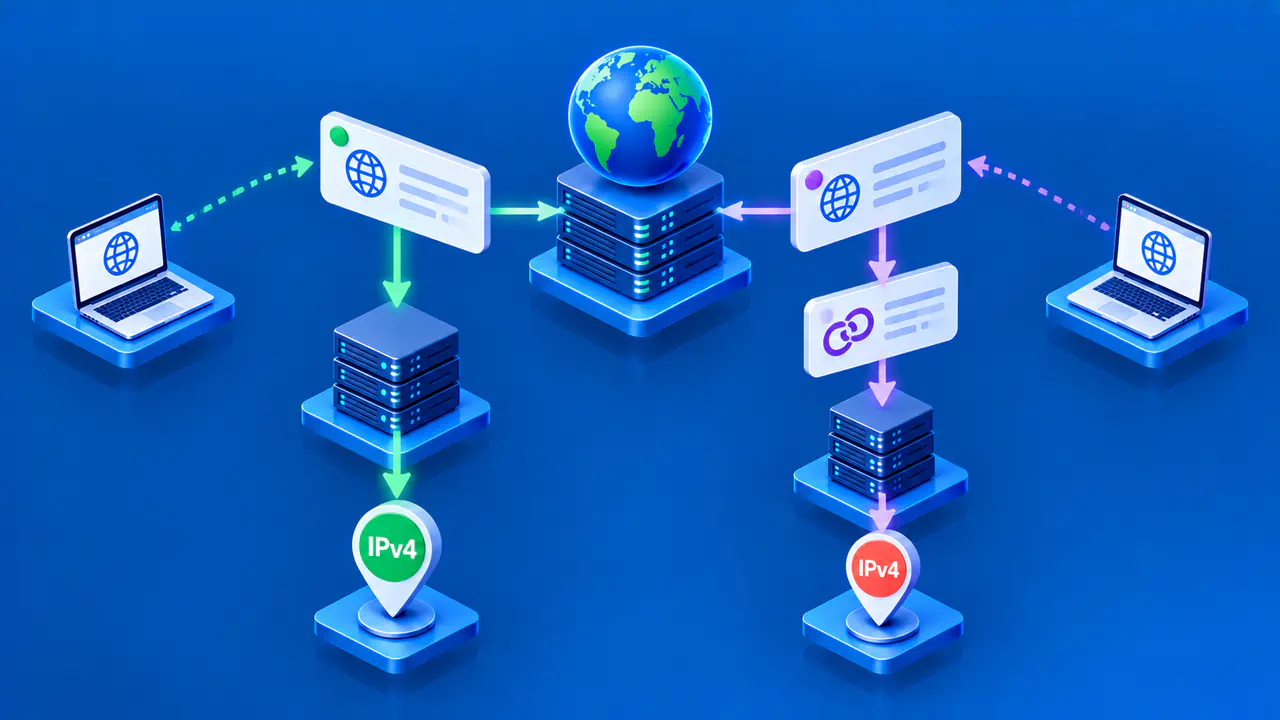
CNAME Records vs A Records
An A record maps a DNS name directly to an IPv4 address, while a CNAME makes that name an alias of another DNS name whose records supply the requested data.

A Record vs AAAA Record in DNS
A records map a hostname to IPv4 addresses, while AAAA records map it to IPv6 addresses, and the same hostname can have both types of DNS record.

How to Flush the DNS Cache on Windows
On Windows, running ipconfig /flushdns in Command Prompt as an administrator clears the local DNS cache so you can test the affected lookup again.