
Articles: Page 2
Read about IP addresses, DNS, IPv6, and network security, with explanations of common connection problems.

How to Fix Cloudflare Error 1020
Site owners can fix Cloudflare Error 1020 by finding the matching security event and adjusting the rule if it wrongly blocks a legitimate request.

What Is an SSL Certificate?
An SSL certificate binds a public key to a website's identity, allowing a browser to authenticate the server when setting up an encrypted HTTPS connection.

What Is a Domain Name?
A domain name identifies a place in the DNS hierarchy, where records can connect a readable name to the addresses of websites, mail servers, and other services.

How to Fix Cloudflare SSL Errors 525 and 526
Fixing Cloudflare errors 525 and 526 requires correcting the origin's TLS handshake or certificate validation problem, then testing the secure connection.

How to Fix Cloudflare Error 524
Cloudflare error 524 can be fixed by speeding up the origin's response or the transfer of request data, depending on which operation timed out.

How to Fix Cloudflare Error 523
Cloudflare Error 523 is fixed by correcting the configured origin address or the network route that prevents Cloudflare from reaching the website's server.

How to Fix Cloudflare Error 521
Fixing Cloudflare error 521 involves restoring the origin web service, checking its connection port, and allowing Cloudflare through the relevant firewall.

How to Fix Cloudflare Error 520
Fixing Cloudflare error 520 involves matching failed requests to origin logs, correcting invalid responses or connection settings, and retesting the site.

How to Fix a 500 Internal Server Error
Fixing a 500 Internal Server Error involves finding the failing request in server logs, correcting its cause, and checking that the request now succeeds.
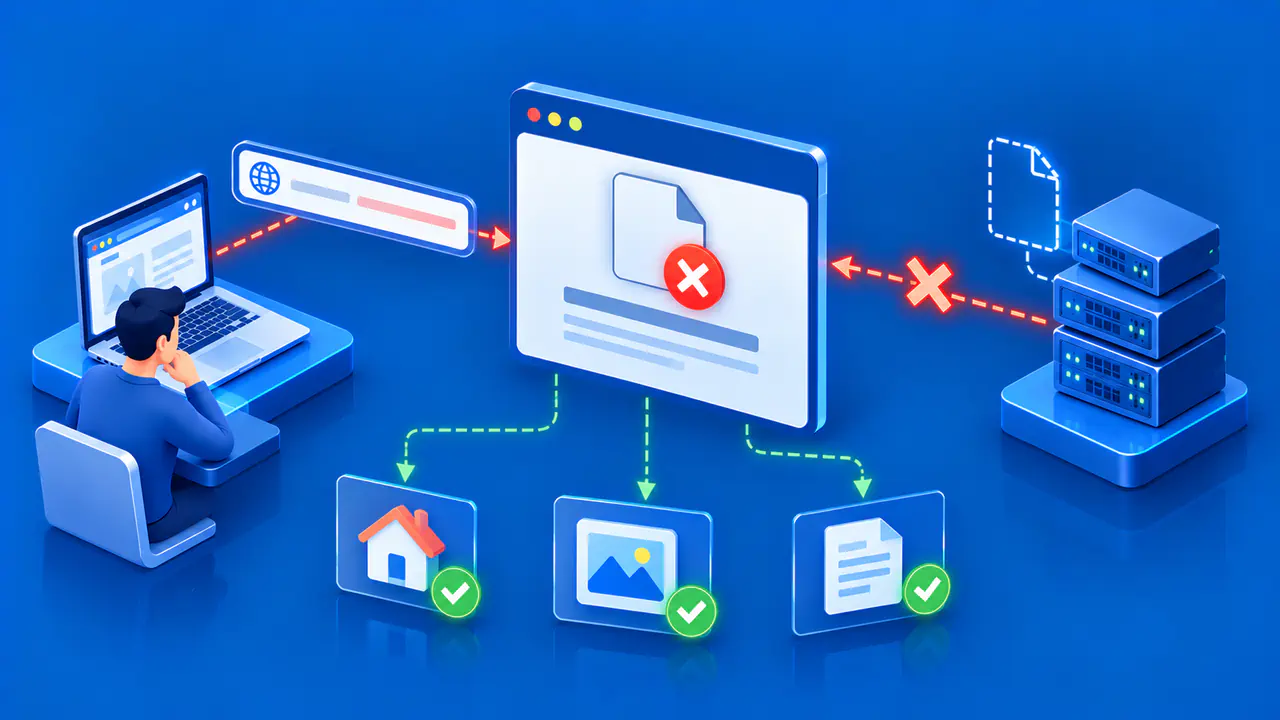
What Does a 404 Error Mean?
A 404 error means the server has no content to return for the requested URL or will not reveal it, without confirming that the content is gone forever.

How to Fix a 403 Forbidden Error
Fixing a 403 Forbidden error requires the correct account permissions or a change to the server rule that wrongly denies the requested resource.

How to Fix a 401 Unauthorized Error
Fixing a 401 Unauthorized error requires valid credentials sent through the authentication method expected by the server for the requested resource.
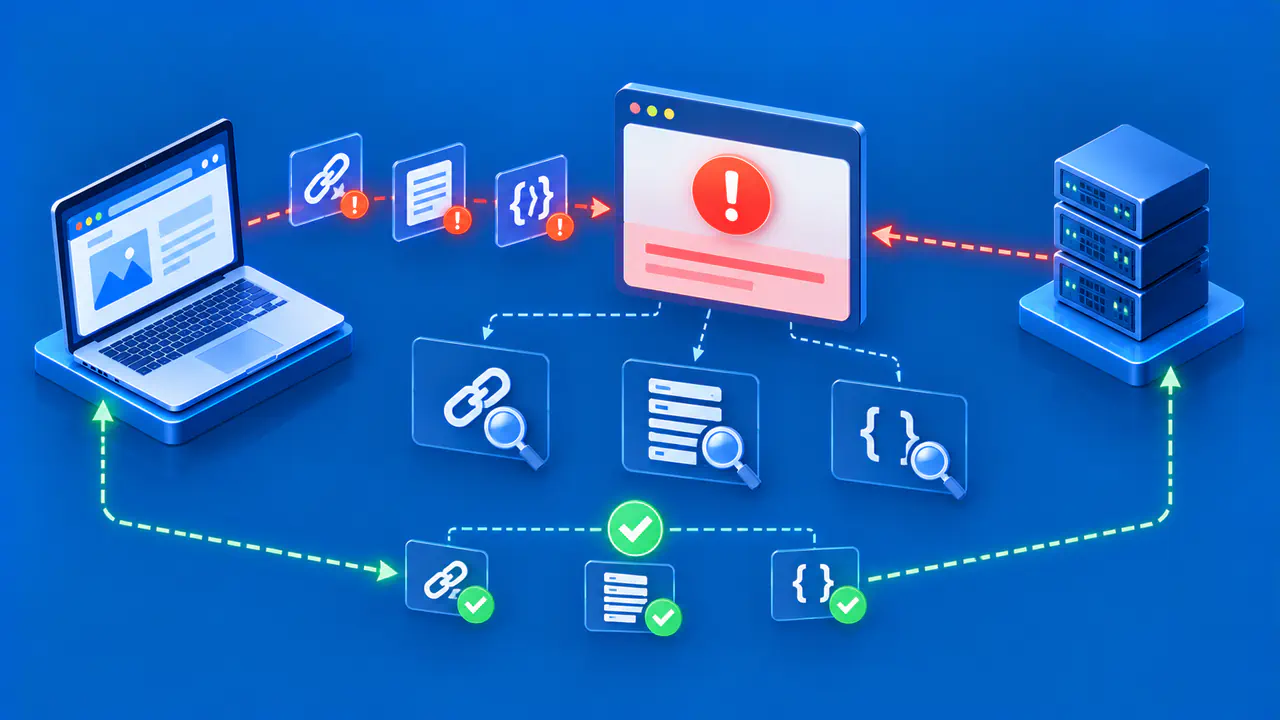
How to Fix a 400 Bad Request Error
A 400 Bad Request can be resolved by correcting invalid request data or a misconfigured server rule, after checking the URL, headers, and body.

What Is a URL?
A URL is an address for a resource, such as a web page or image, that tells a browser or other application where to find it and how to access it.

SSL vs TLS: What Is the Difference?
SSL is an obsolete family of protocols for protecting network connections, while TLS is its successor and provides modern connection security.
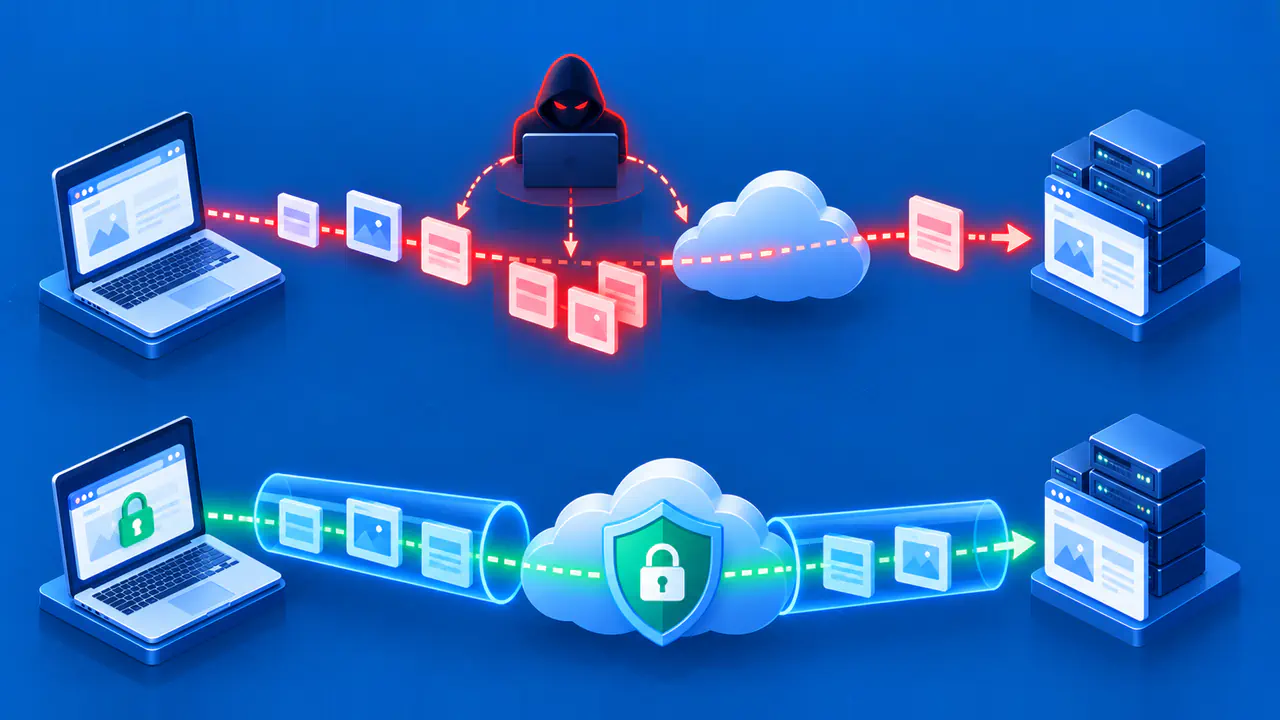
HTTP vs HTTPS: What Is the Difference?
HTTP sends web requests and responses without encryption, while HTTPS uses TLS to protect their contents and verify the identity of the receiving server.
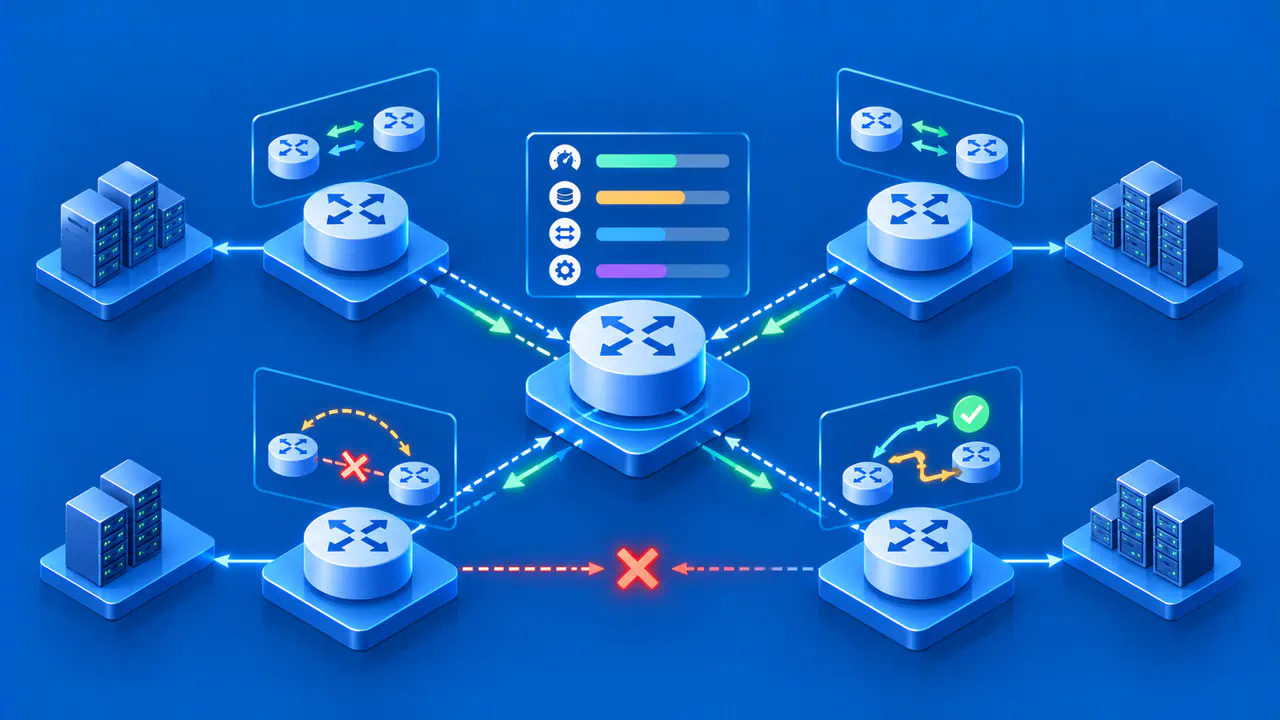
EIGRP Neighbors, Metrics, and Route Selection
EIGRP learns paths from neighbors and uses composite metrics with DUAL to select loop-free routes and coordinate replacement paths after a routing failure.

Cloudflare Spectrum, Argo, and WAF Explained
Cloudflare Spectrum proxies TCP and UDP services, Argo optimizes eligible network paths, and WAF rules inspect incoming web and API requests for threats.
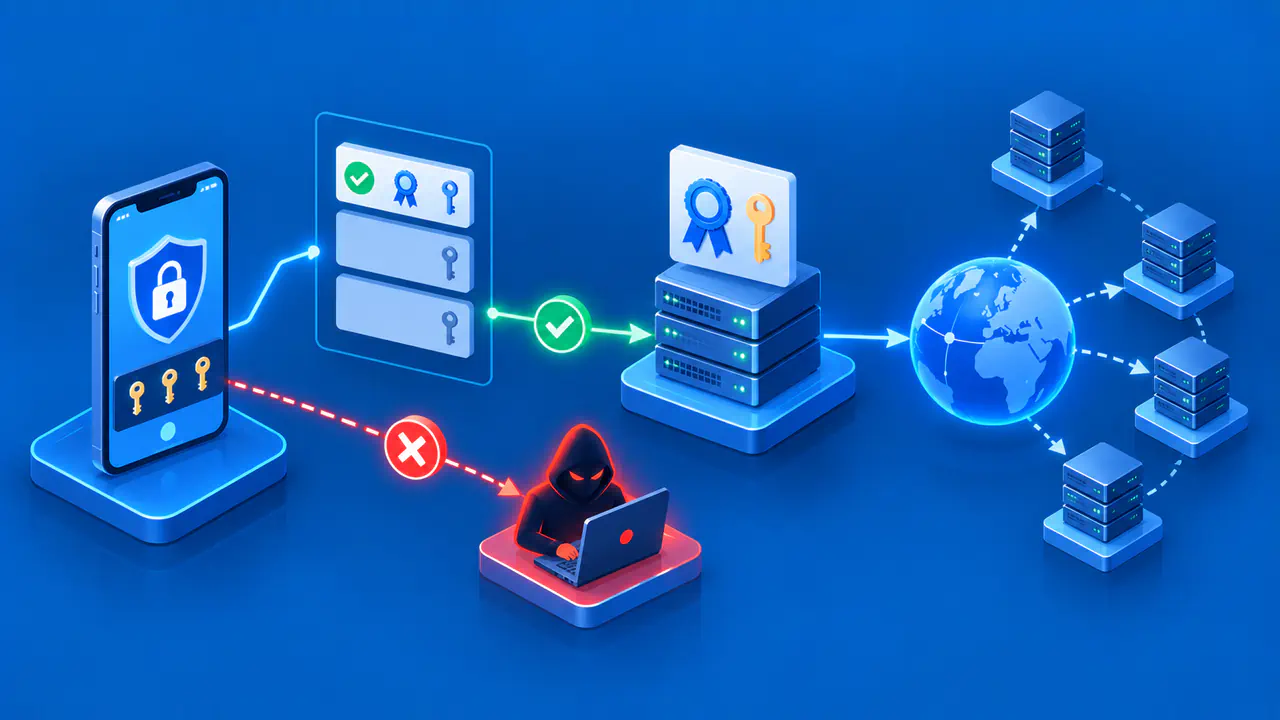
Certificate Pinning Benefits and Risks
Certificate pinning restricts the server identities an app accepts beyond ordinary TLS checks, but certificate or key changes can block legitimate connections.
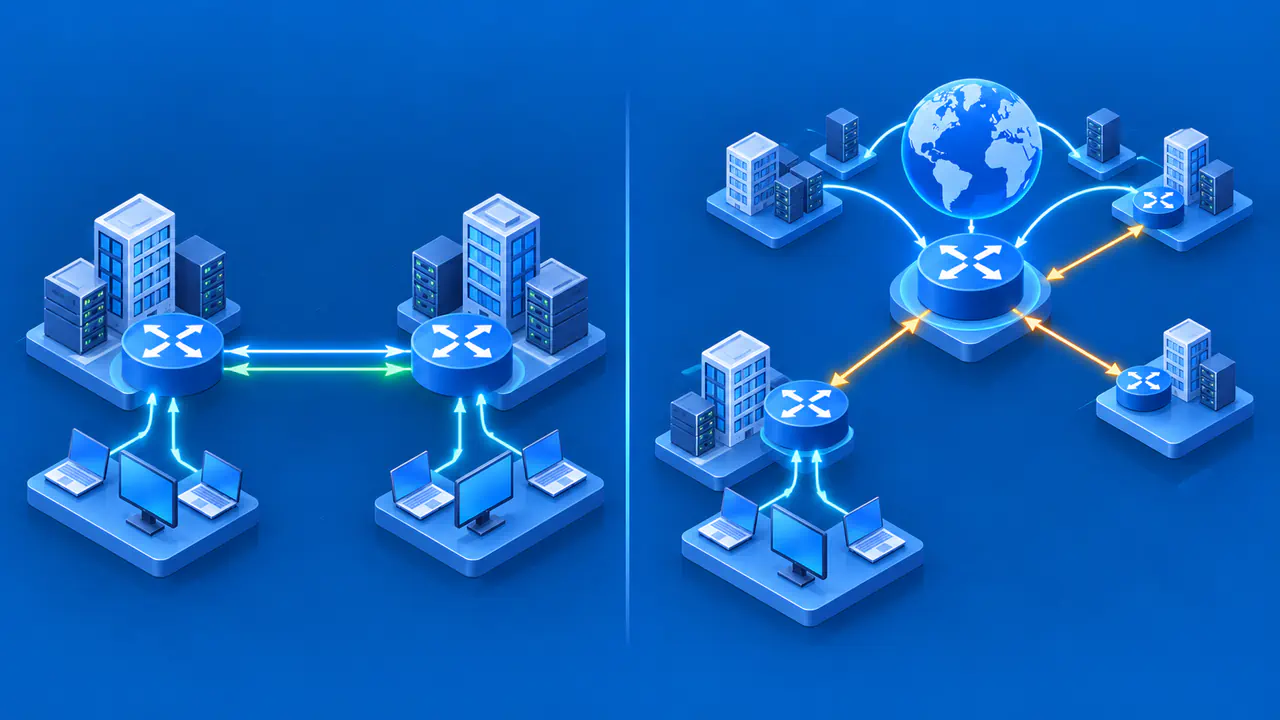
Internet Peering vs Transit: How Networks Connect
Internet peering lets networks exchange traffic for agreed destinations, while IP transit connects a customer to the wider Internet through a provider.

How Mirai Botnets Infect IoT Devices
Mirai recruits exposed IoT devices through weak credentials or software flaws, so recovery must address the access path that allows malware to return.

BIND vs PowerDNS vs Knot DNS for Authoritative DNS
BIND supports file-based DNS publishing, PowerDNS offers backend and HTTP API options, and Knot DNS focuses on authoritative zone management and signing.
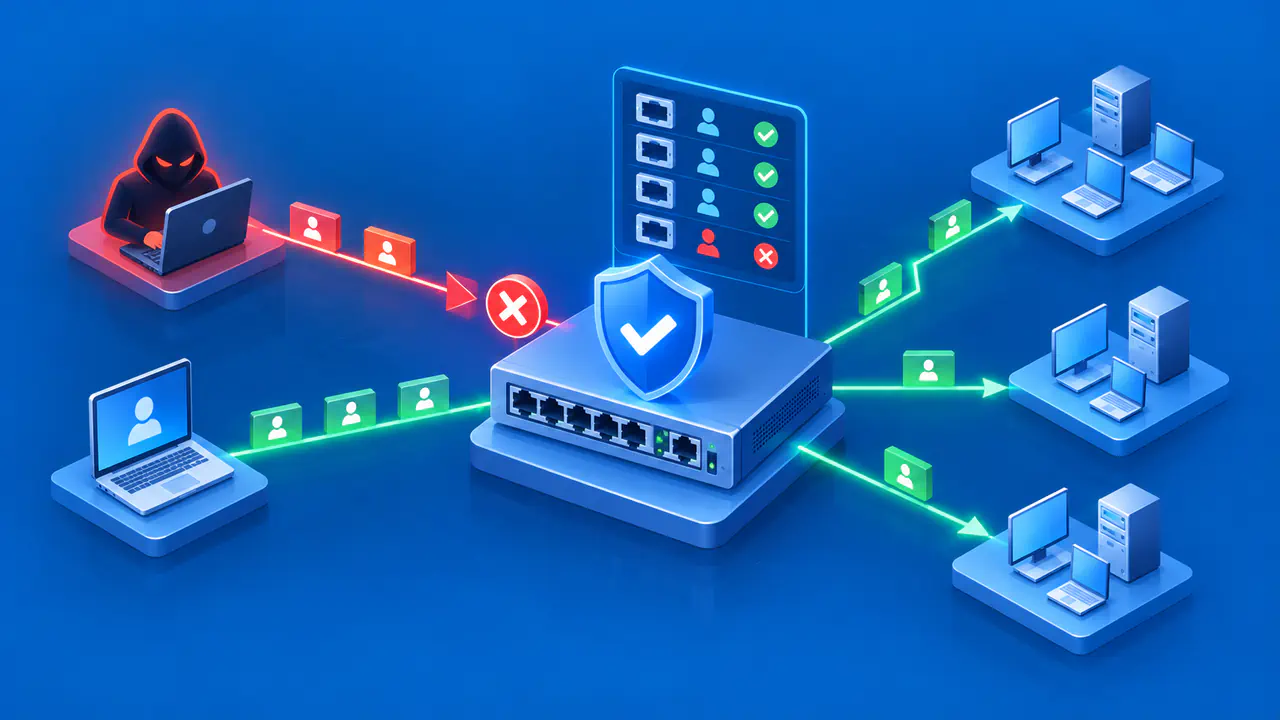
Source Address Validation Against IP Spoofing
Source address validation limits IP spoofing by checking whether a packet's source address is allowed on the interface where the packet arrives.
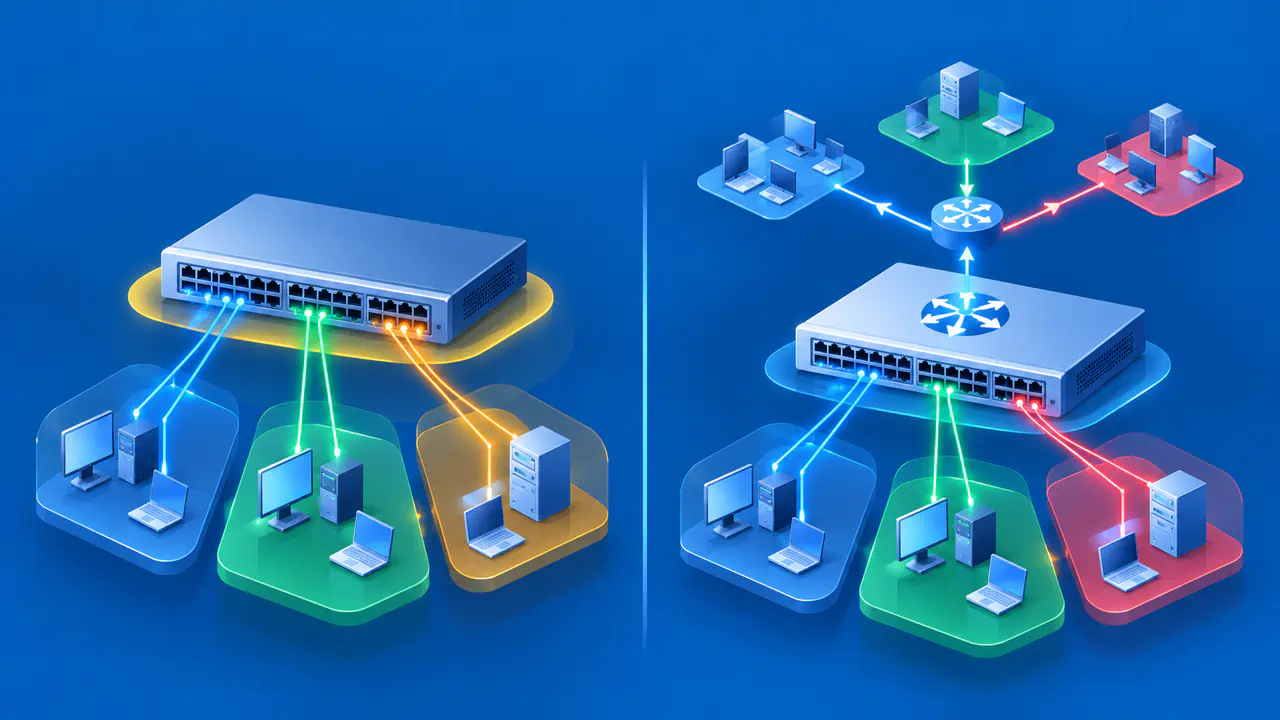
Layer 2 vs Layer 3 Switches Explained
Layer 2 switches forward frames by MAC address within VLANs, while Layer 3 switches can route IP packets between subnets through configured gateways.